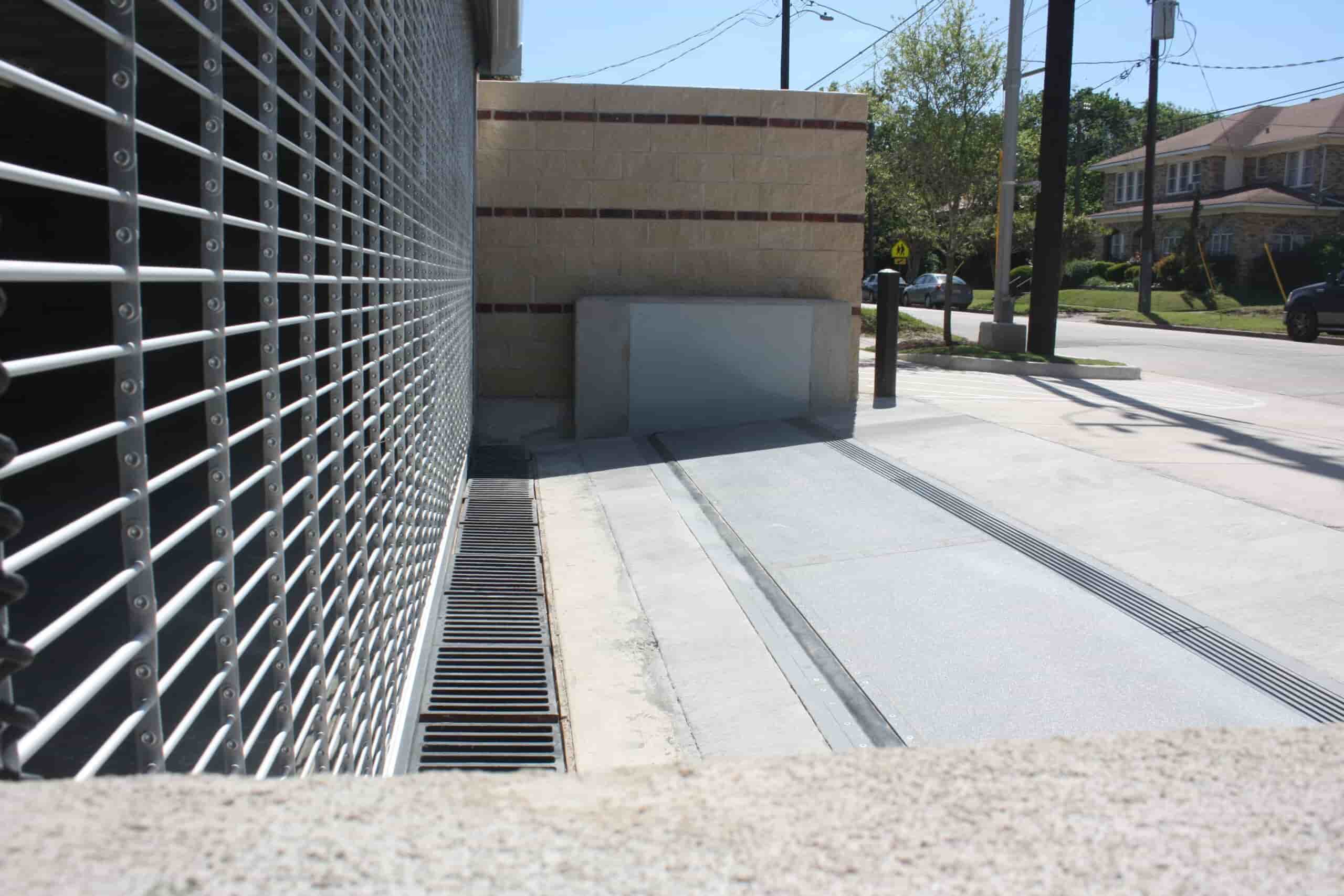
FEMA On Passive Floodproofing
FEMA issued Floodproofing Non-Residential Buildings (FEMA P-936 ), a publication to assist local government officials, engineers, architects, and property owners involved in the planning and implementation of floodproofing retrofits. It reflects the latest information on floodproofing retrofits for non-residential structures and provides guidance on floodproofing existing non-residential buildings in riverine areas subject to shallow flooding and coastal areas not subject to wave action.
This FEMA publication focuses primarily on dry floodproofing, which is making a structure watertight below the expected flood level but provides an overview of other retrofit methods that can be used in conjunction with or independent of dry floodproofing, including: wet floodproofing, floodwalls, levees, protection of utilities and emergency floodproofing measures
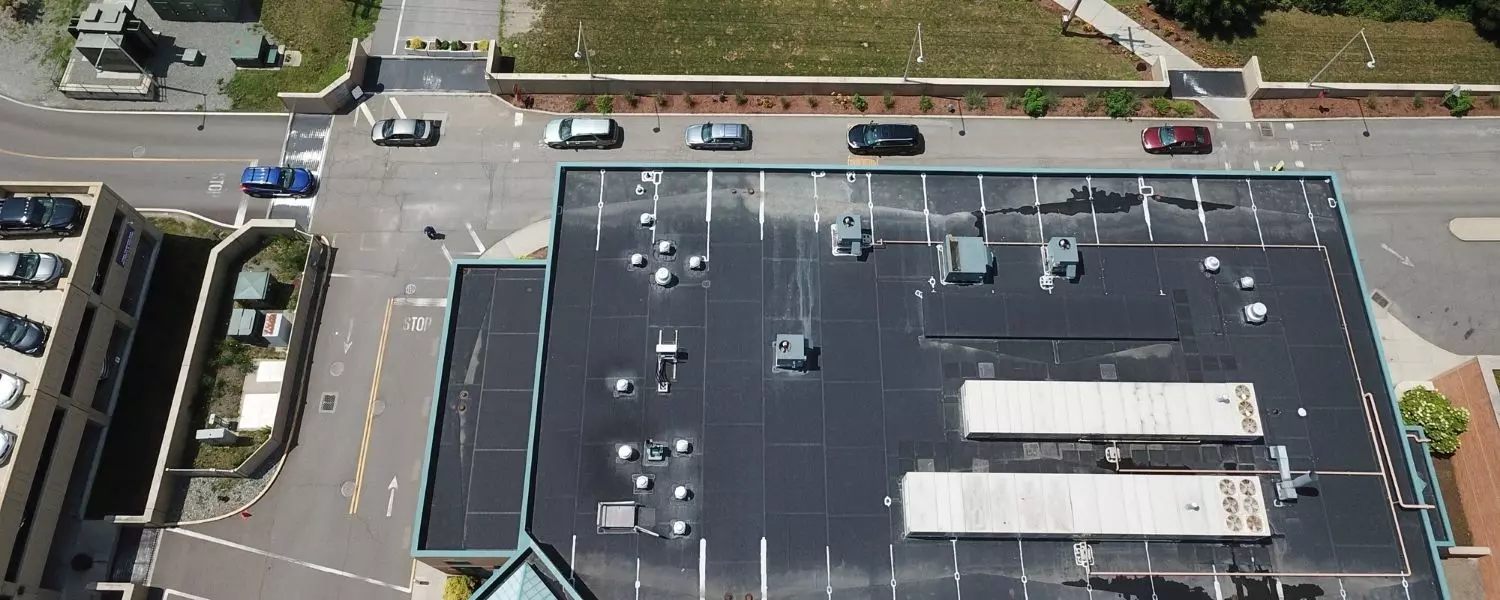
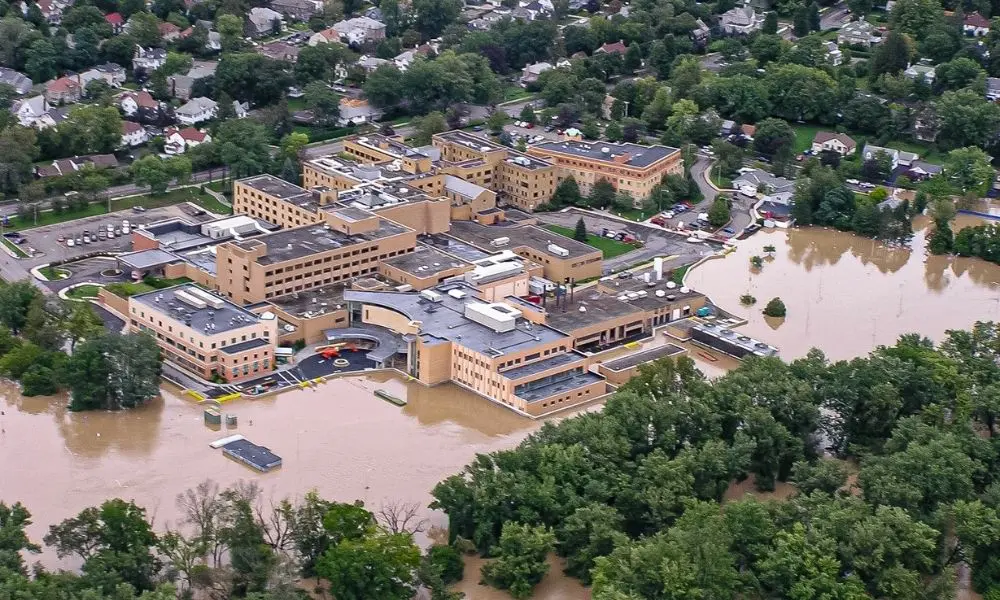
Featured are two FEMA Mitigation Best Practices Stories for Lourdes Hospital in Binghamton, NY and Columbus Regional Hospital in Columbus, IN. Both used FloodBreak passive flood barriers as part of their flood mitigation. A third FEMA Mitigation story was published for Rosenberg Library in Galveston TX which suffered flood devastation from Hurricane Ike.
PASSIVE FLOODPROOFING REDUCES FLOOD RISK
Installing active dry floodproofing measures requires human intervention, sufficient warning, and takes time. Active floodproofing measures are therefore not suitable if the warning time is not sufficient enough to complete preparations. Flash flooding happens quickly and unexpectedly. Without advanced warning, active measures cannot be implemented, putting people and property at risk.
See Section 2.5.2 for additional information regarding flood warning time.
Flood Emergency Operations Plans
Dry floodproofing requires emergency operation planning:
If the proposed floodproofing measure is active (requires human intervention), all roads that provide access to the building should remain passable long enough for the floodproofing measures to be installed and for all personnel to safely evacuate the site.
When removable shields (i.e. drop in panels, flood panels) are used, flood emergency plans must include: storage location, method of installation, maintenance of equipment, annual installation practice.
Regular evaluation and update of the flood emergency operations plan must be scheduled to reflect changes in personnel and procedures.
Passive floodproofed buildings result in lower NFIP insurance premiums
Dry floodproofed buildings with active floodproofing measures and requiring human intervention are subject to higher insurance premiums than dry floodproofed buildings with completely passive floodproofing measures that do not require human intervention. (Sec 2.1.1 National Flood Insurance Program
The Benefits Passive Floodproofing
Passive floodproofing is a way to protect vulnerable buildings & openings without the need for human intervention, an external power source, or advanced warning. The floodwater itself is the “power” that causes passive measures to deploy.
This technology has created a virtually hands-off approach to flood protection. Read more about the advantages of passive floodproofing over active here.
Other related reference FEMA publications:
- FEMA PA 406 – Mitigate Disaster Damage With FEMA Public Assistance
- FEMA TB 3 – Non-Residential & Mixed Use Floodproofing Guidelines
- FEMA TB 6 – Below Ground Flood Proofing Guidelines
- USACE EP 1165-2-314 – Flood-Proofing Regulations
- FEMA 551 – Selecting Appropriate Mitigation Measures for Floodprone Buildings
- ASCE 24 – 14 – Flood Resistant Design & Construction (Full report available at http://www.asce.org)